

Audiologist-otorhinolaryngologist Gulnoza Yarkinovna Shamuratova
Otolaryngology · Yunusabad district
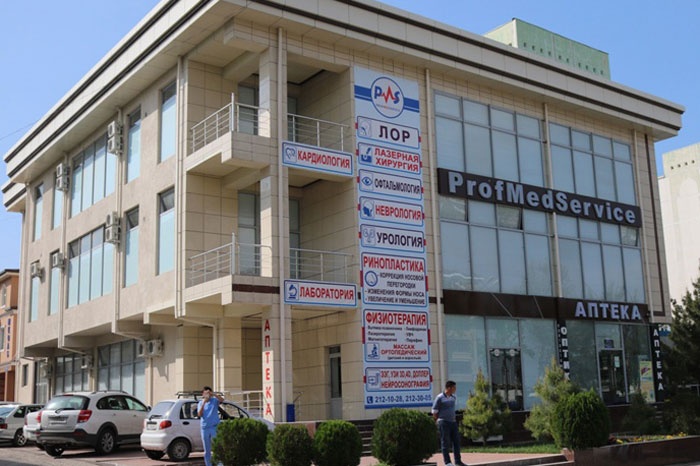
Tashkent, Yunusabad district, st. A. Timur, 119A
M
Yunusobod
🚶 250 m
M
Shahriston
🚶 850 m
M
Turkiston
🚶 950 m
🚌
Nearest bus stop
🚶 150 m
· buses: 24, 50, 51
👍 0
🤷 0
👎 0
Recommended by 0%
Оцените врача
Your opinion will help other patients
Specialization
About the doctor
Audiologist-otorhinolaryngologist
Activities:
1. Consultation and treatment of diseases of the ENT organs.
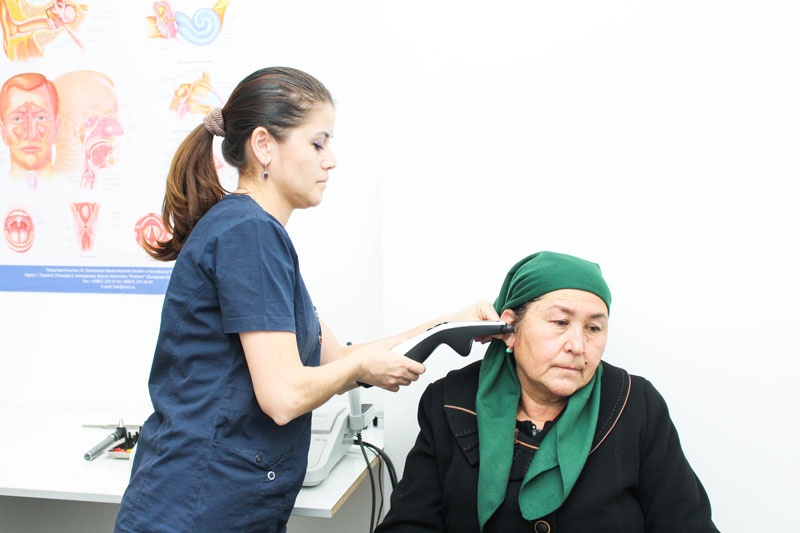
2. In-depth diagnostics in the functional diagnostics room.
The range of research I conduct:
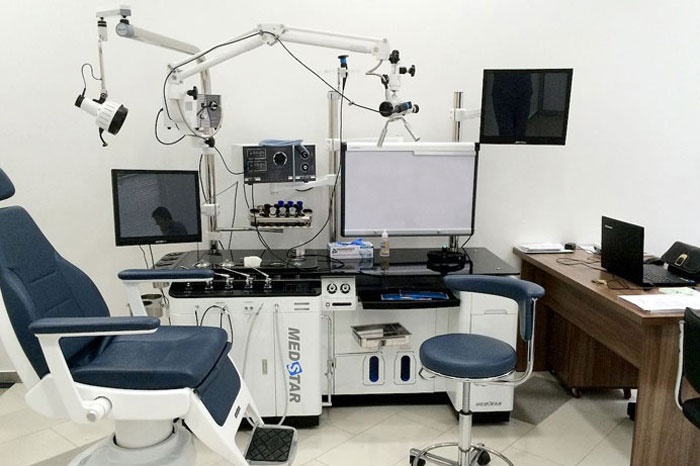
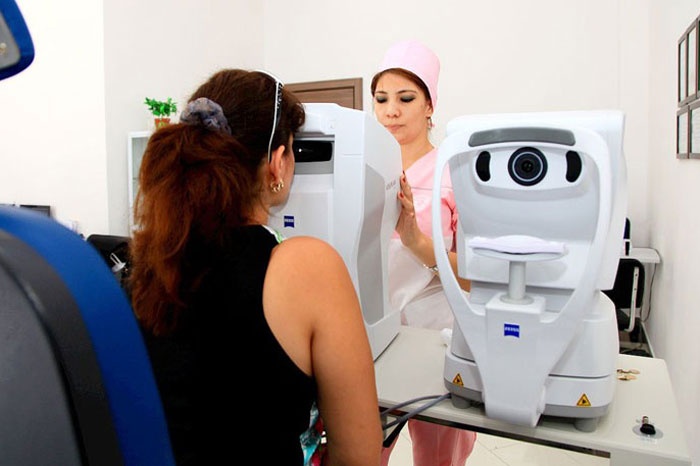
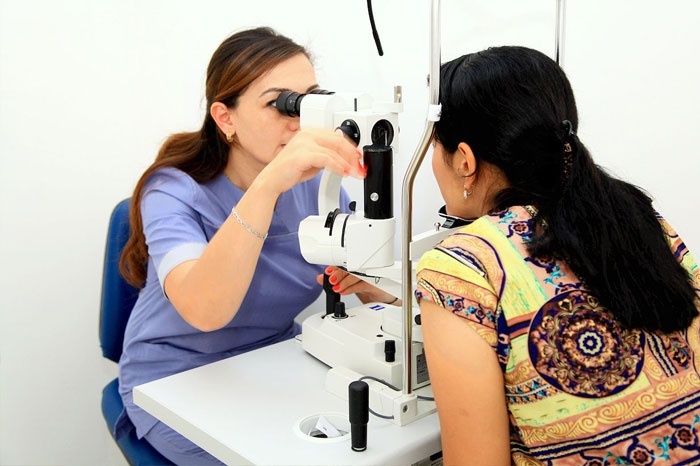
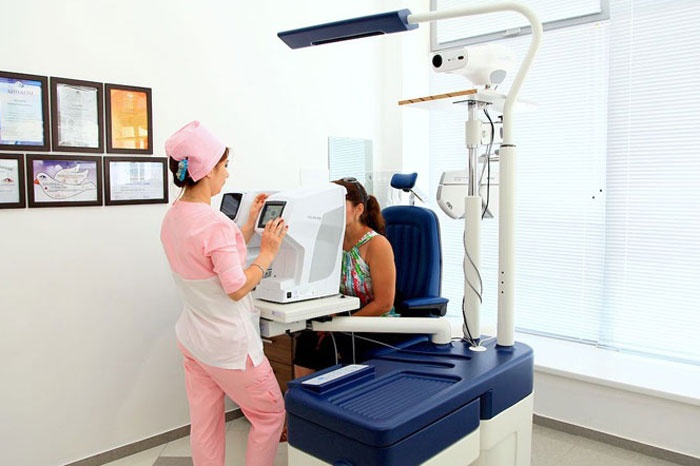
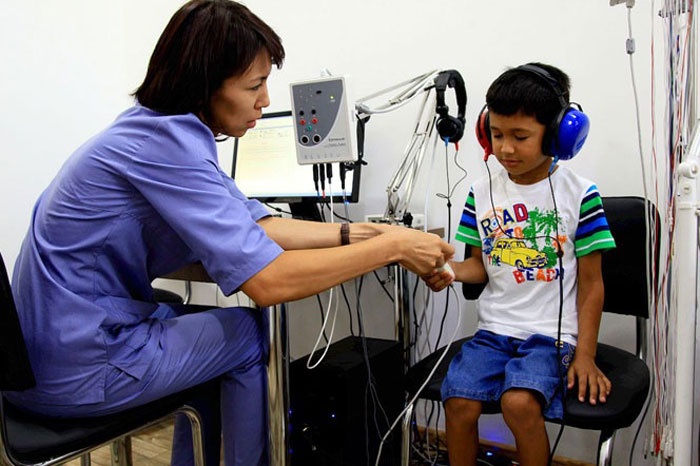
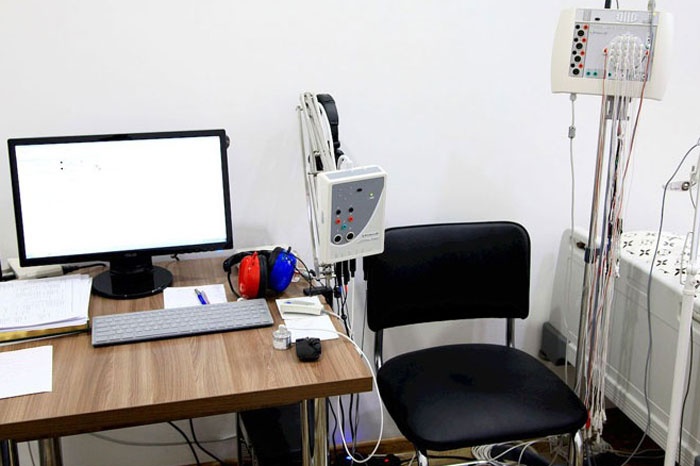
The functional diagnostics room is equipped with polysomnographic, audiological and electrophysiological equipment.
The following types of research are carried out in the office:
1. The whole range of audiological studies (hearing research):
• Consultation and treatment of patients with hearing impairments;
• Audiometry;
• Tympanometry;
• Acoustic reflexometry;
• ETF – test (EustachianTubeFunction) - test for assessing the function of the auditory tube;
• Selection and adjustment of hearing aids;
• Adaptation work after electroacoustic hearing correction;
• Deaf-pedagogical testing, including with a hearing aid.
2. Polysomnographic study:
• study of the functioning of the human body during sleep, and identification of the causes of its disturbances;
• diagnosis of the cause and degree of obstructive sleep apnea syndrome;
• study of patients with complaints of snoring during sleep.
3. Electroencephalographic study:
• Routine EEG;
• Video-EEG monitoring;
4. Study of acoustic brainstem evoked potentials (ASEP) - the method allows you to assess the functional state of brainstem structures (ponto-medullary and ponto-mesencephalic levels), where the main motor and sensory pathways, cerebellar tracts, cranial nerve nuclei, reticular formation, autonomic centers, as well as respiratory and vasomotor centers pass
Activities:
1. Consultation and treatment of diseases of the ENT organs.
2. In-depth diagnostics in the functional diagnostics room.
The range of research I conduct:
The functional diagnostics room is equipped with polysomnographic, audiological and electrophysiological equipment.
The following types of research are carried out in the office:
1. The whole range of audiological studies (hearing research):
• Consultation and treatment of patients with hearing impairments;
• Audiometry;
• Tympanometry;
• Acoustic reflexometry;
• ETF – test (EustachianTubeFunction) - test for assessing the function of the auditory tube;
• Selection and adjustment of hearing aids;
• Adaptation work after electroacoustic hearing correction;
• Deaf-pedagogical testing, including with a hearing aid.
2. Polysomnographic study:
• study of the functioning of the human body during sleep, and identification of the causes of its disturbances;
• diagnosis of the cause and degree of obstructive sleep apnea syndrome;
• study of patients with complaints of snoring during sleep.
3. Electroencephalographic study:
• Routine EEG;
• Video-EEG monitoring;
4. Study of acoustic brainstem evoked potentials (ASEP) - the method allows you to assess the functional state of brainstem structures (ponto-medullary and ponto-mesencephalic levels), where the main motor and sensory pathways, cerebellar tracts, cranial nerve nuclei, reticular formation, autonomic centers, as well as respiratory and vasomotor centers pass
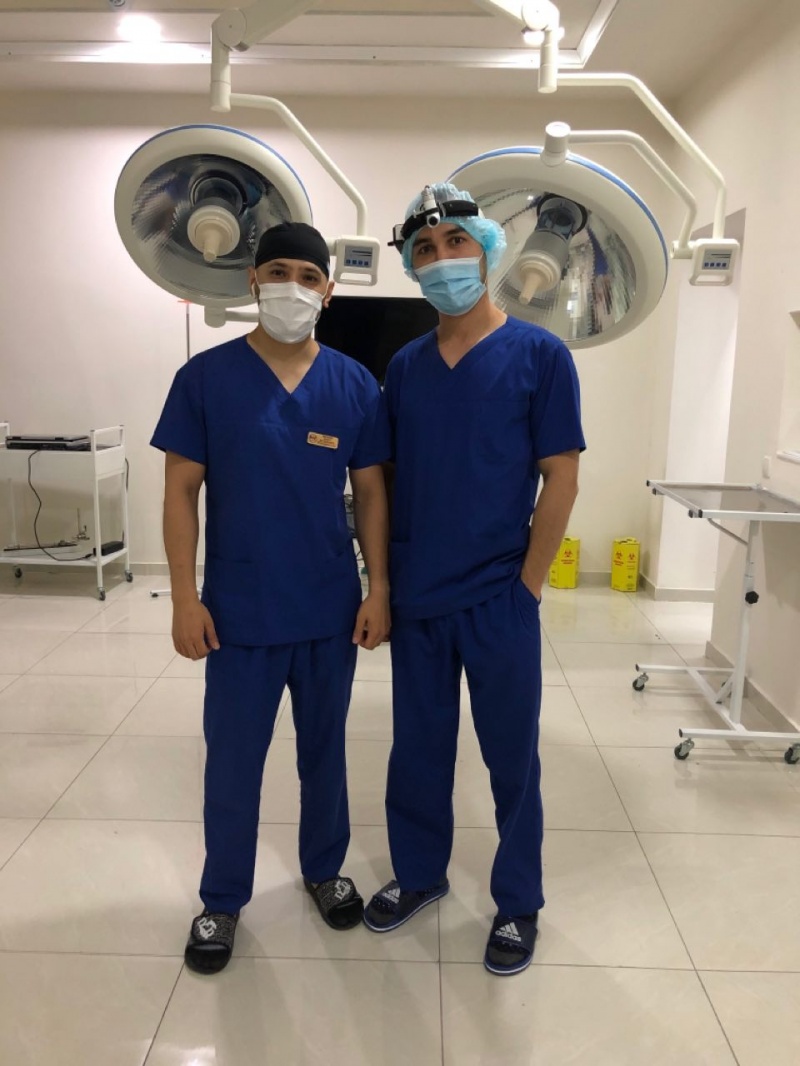
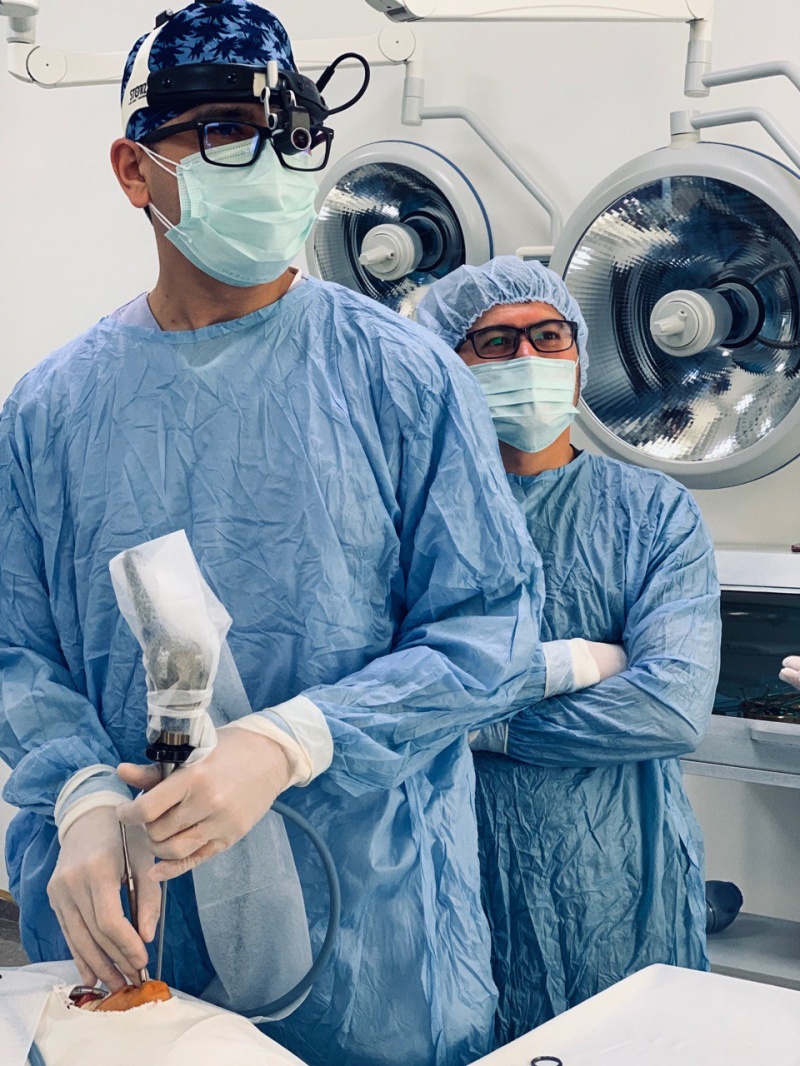
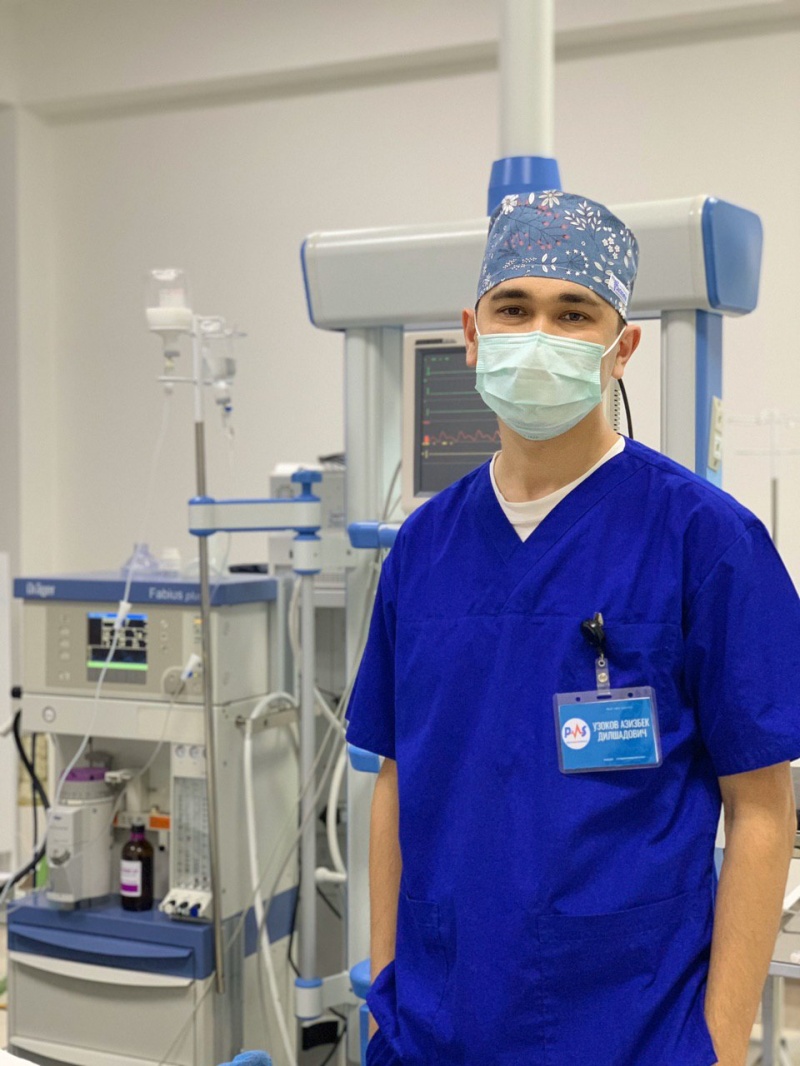
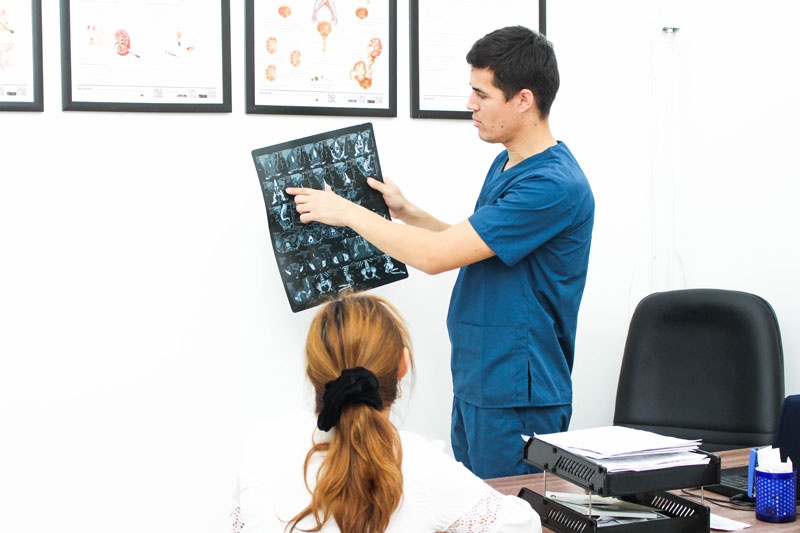
Photos
Reviews
🕒 Office hours
Tuesday08:00–17:00
Wednesday08:00–17:00
Thursday08:00–17:00
Friday08:00–17:00
Saturday08:30–15:00
SundayDay off
Similar doctors
 Pediatric ENT doctor Муртазаева Гулрух Халиловна
Otolaryngology 🏥 Healthy children - Yunusabad branch
Pediatric ENT doctor Муртазаева Гулрух Халиловна
Otolaryngology 🏥 Healthy children - Yunusabad branch
 Babajonov Dilshod Shukurullaevich
Otolaryngology 🏥 Doctor Hasan Medical Center
Babajonov Dilshod Shukurullaevich
Otolaryngology 🏥 Doctor Hasan Medical Center
 Otolaryngologist Said Igamberdievich Khudaiberganov
Otolaryngology 🏥 Vitamed Medical 💬 3 reviews
Otolaryngologist Said Igamberdievich Khudaiberganov
Otolaryngology 🏥 Vitamed Medical 💬 3 reviews
 Otolaryngologist Rasulev Said Dzhamievich
Otolaryngology 🏥 ProfMedService medical center in Tashkent 💬 1 reviews
Otolaryngologist Rasulev Said Dzhamievich
Otolaryngology 🏥 ProfMedService medical center in Tashkent 💬 1 reviews
 Otolaryngologist Rakhimov Jakhongir Makhmudovich
Otolaryngology 🏥 ProfMedService medical center in Tashkent 💬 1 reviews
Otolaryngologist Rakhimov Jakhongir Makhmudovich
Otolaryngology 🏥 ProfMedService medical center in Tashkent 💬 1 reviews
 Otolaryngologist Isakov Ulugbek Khasanovich
Otolaryngology 🏥 Vitamed Medical 💬 1 reviews
Otolaryngologist Isakov Ulugbek Khasanovich
Otolaryngology 🏥 Vitamed Medical 💬 1 reviews
Leave a review
📞 Request a call
Оставьте номер — clinic will call you back
Ask a question
Write your question — clinic will reply to you right in Telegram
📨
One step left!
So that clinic sees the question and replies to you — open our Telegram-бот and press «Старт».
All replies will come to you right in Telegram. 💬
Перейти в Telegram