
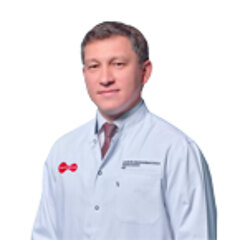
Tashkhodzhaev Davron Abdumannapovich
Gastroenterology · Almazar district
Tashkent, Olmazar Tumani, Kichik Khalka Yuli 5 "A" y
M
Beruniy
🚶 500 m
M
Tinchlik
🚶 1.1 km
M
Chorsu
🚶 2.9 km
🚌
Nearest bus stop
🚶 190 m
· buses: 31, 34
👍 0
🤷 0
👎 0
Recommended by 0%
Оцените врача
Your opinion will help other patients
Specialization
About the doctor
Education
In 2008, he graduated with honors from the First Tashkent Medical Institute with a degree in general medicine and teacher.
From 2009 to 2011, he developed his professional skills in residency at the Republican Scientific and Practical Medical Center of Oncology and Radiology, specializing in oncology.
In 2012, he received specialization in diagnostic and therapeutic endoscopy. TashIUV.
Since 2016, he has been the head of the endoscopy department of the Republican Scientific and Practical Medical Center. Advanced training (scientific conferences, master classes: 2-3 main places):
Every year he took part in conferences and congresses with reports held at the Republican Scientific Research and Production Center.
International experience (work and study abroad, indicate the names of countries and institutions):
In 2013, he completed an internship in the diagnosis and treatment of malignant tumors of visual
localizations at the Kharkov Medical Academy, Ukraine.
In 2014, he took a course in minimally invasive operations for malignant visual tumors
localizations of the gastrointestinal tract at the Severance Clinic, South Korea.
In 2016, he took a course in endoscopy and gastroenterology, New Delhi, India.
In 2018, take a course in minimally invasive endosurgery, St. Petersburg, Russia.
Features of the specialization:
Diagnosis and surgical endoscopic treatment of diseases of the esophagus: achalasia cardia, submucosal formations of the esophagus and stomach, strictures of the bronchial tree, esophagus and colon, of various etiologies.
Endoscopic diagnosis and treatment of early tumors of the gastrointestinal tract.
Diagnostics, including invasive and endoscopic treatment of diseases of the pancreato-biliary zone. Gastric ballooning.
One of the main areas of activity is endoscopic removal of early tumors
colon. He was one of the first in Uzbekistan to begin performing endoscopic dissection in the submucosal layer (ESD), which is currently the only radical way to remove large epithelial tumors of the gastrointestinal tract.
In 2008, he graduated with honors from the First Tashkent Medical Institute with a degree in general medicine and teacher.
From 2009 to 2011, he developed his professional skills in residency at the Republican Scientific and Practical Medical Center of Oncology and Radiology, specializing in oncology.
In 2012, he received specialization in diagnostic and therapeutic endoscopy. TashIUV.
Since 2016, he has been the head of the endoscopy department of the Republican Scientific and Practical Medical Center. Advanced training (scientific conferences, master classes: 2-3 main places):
Every year he took part in conferences and congresses with reports held at the Republican Scientific Research and Production Center.
International experience (work and study abroad, indicate the names of countries and institutions):
In 2013, he completed an internship in the diagnosis and treatment of malignant tumors of visual
localizations at the Kharkov Medical Academy, Ukraine.
In 2014, he took a course in minimally invasive operations for malignant visual tumors
localizations of the gastrointestinal tract at the Severance Clinic, South Korea.
In 2016, he took a course in endoscopy and gastroenterology, New Delhi, India.
In 2018, take a course in minimally invasive endosurgery, St. Petersburg, Russia.
Features of the specialization:
Diagnosis and surgical endoscopic treatment of diseases of the esophagus: achalasia cardia, submucosal formations of the esophagus and stomach, strictures of the bronchial tree, esophagus and colon, of various etiologies.
Endoscopic diagnosis and treatment of early tumors of the gastrointestinal tract.
Diagnostics, including invasive and endoscopic treatment of diseases of the pancreato-biliary zone. Gastric ballooning.
One of the main areas of activity is endoscopic removal of early tumors
colon. He was one of the first in Uzbekistan to begin performing endoscopic dissection in the submucosal layer (ESD), which is currently the only radical way to remove large epithelial tumors of the gastrointestinal tract.
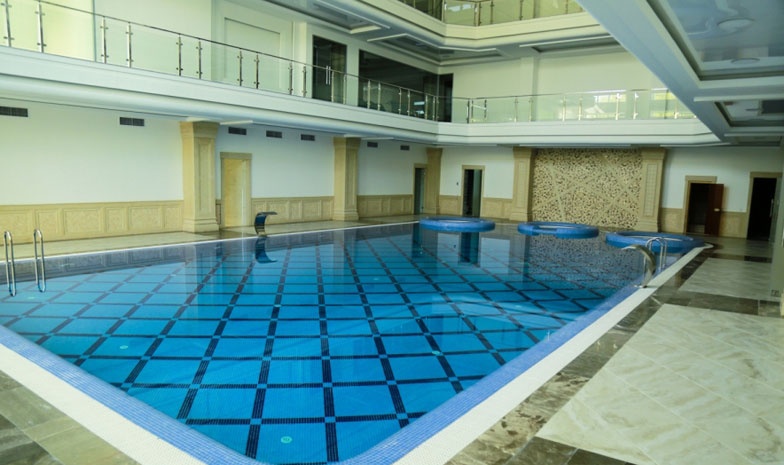
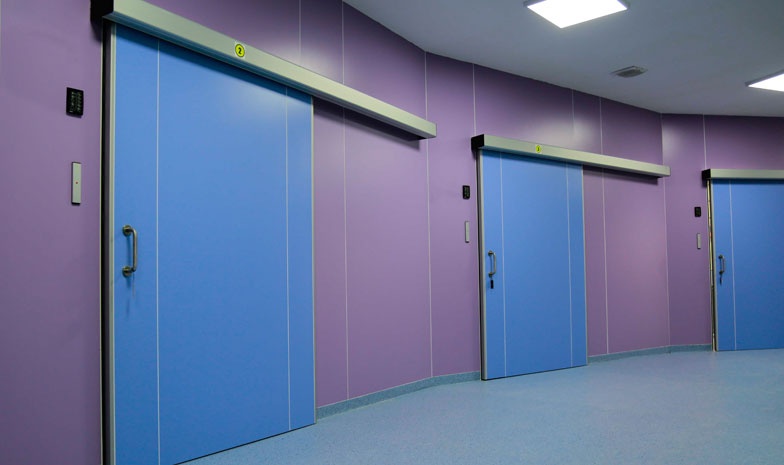
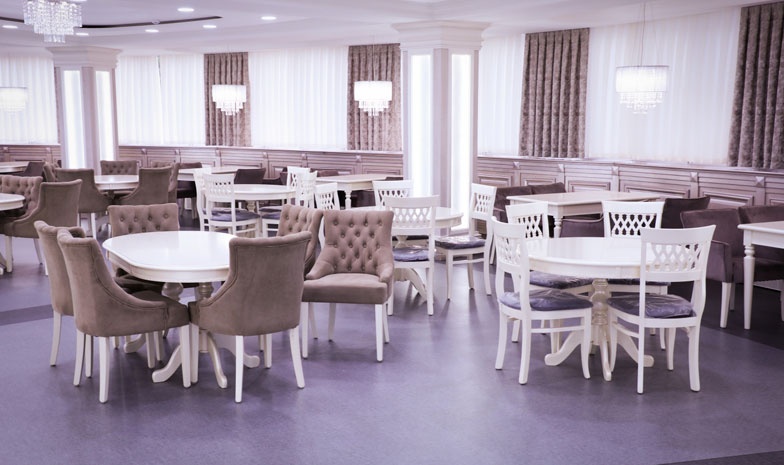
Photos
Reviews
🕒 Office hours
Monday08:30–17:00
Tuesday08:30–17:00
Wednesday08:30–17:00
Thursday08:30–17:00
Friday08:30–17:00
Saturday–
Similar doctors
 Cardiologist, gastroenterologist, therapist Elena Borisovna Zueva
Gastroenterology 🏥 Intermed Neuro 💬 5 reviews
Cardiologist, gastroenterologist, therapist Elena Borisovna Zueva
Gastroenterology 🏥 Intermed Neuro 💬 5 reviews
 Vakhidova Suraya Barievna
Gastroenterology 🏥 Akfa Medline - medical center in Tashkent
Vakhidova Suraya Barievna
Gastroenterology 🏥 Akfa Medline - medical center in Tashkent
 Gastroenterologist Shakirov Munir Mavlitovich
Gastroenterology 🏥 Parents Holiday
Gastroenterologist Shakirov Munir Mavlitovich
Gastroenterology 🏥 Parents Holiday
 Gastroenterologist Shaikhov Davronbek Shukhratovich
Gastroenterology 🏥 Parents Holiday
Gastroenterologist Shaikhov Davronbek Shukhratovich
Gastroenterology 🏥 Parents Holiday
 Azimova Gulnora Shakirovna
Gastroenterology 🏥 Akfa Medline - medical center in Tashkent
Azimova Gulnora Shakirovna
Gastroenterology 🏥 Akfa Medline - medical center in Tashkent
 Gastroenterologist Gulnora Erkinovna Imamnazarova
Gastroenterology 🏥 Vitamed Medical
Gastroenterologist Gulnora Erkinovna Imamnazarova
Gastroenterology 🏥 Vitamed Medical
Leave a review
📞 Request a call
Оставьте номер — clinic will call you back
Ask a question
Write your question — clinic will reply to you right in Telegram
📨
One step left!
So that clinic sees the question and replies to you — open our Telegram-бот and press «Старт».
All replies will come to you right in Telegram. 💬
Перейти в Telegram