
07.11.2016 · 👁 3,187
The influence of Ereptus on the immunological resistance of women with CIPV and CMV infection
Authors: Muminov S.O. Khalilov U.S. Kurbanov D.D. Kurbanova M. T.
A significant spread of chronic inflammatory diseases of the genital organs (CIGD) in women of fertile age and an initial decrease in nonspecific resistance [II] lead to long-term persistence of pathogenic pathogens in the body. This causes reproductive losses (miscarriage, antenatal fetal death, fetal deformities, etc.) and, in general, causes a deterioration in the reproductive health and quality of life of women of fertile age.
In the last decade, there have been significant changes in the structure of infectious pathology in humans with a predominance of opportunistic infections. Among them, a special place is occupied by cytomegalovirus infection (CMV infection), which is widespread (30-70%). The high level of infection of the population with cyto megalovirus (CMV) is due to the diversity of transmission routes and its ability to persist for a long time in the body.
The difficulty of detecting CMV infection is due to the practical absence of its clinical symptoms, the most common chronic form of the course, which is responsible for the delay in diagnosis and treatment. The diagnosis can be made already when the consequences of exposure to CMV occur: stillbirth, deformities, congenital hepatitis or cirrhosis of the liver, thrombocytopenic purpura, hydrocephalus, microcephaly, deafness, mental retardation.
Since acute damage by CMV infection and its reactivation are possible only against the background of a primary or secondary immunodeficiency state, it is very important to have an understanding of those disorders of the immune system that ensure long-term persistence of CMV [4, 9]. Despite the presence of works devoted to the study of specific and nonspecific resistance in CMV infection, opinions about the direction, severity and reversibility of these disorders are contradictory. There is also no data on the complete picture of the immunological defense system in women with CIPV and latent chronic CMV infection.
Despite the emergence of numerous methods for diagnosing CMV infection, the principles of their comprehensive and consistent use have not been developed. This, of course, reduces the information content and reliability of the examination results and affects the diagnosis.
It should be noted that the greatest difficulties are caused by the treatment of patients with CMV infection. None of the known drugs is capable of completely eliminating the virus from the human body. Therefore, treatment of CMV infection should be comprehensive, aimed at blocking virus reproduction and simultaneous stimulation of the immune system.
Thus, the study of the immune and interferon status in women with CIPV and CMV infection, the development of pathogenetic treatment that helps eliminate the virus, restore the functions of impaired systems and preserve the reproductive health of patients are of great scientific and practical interest.
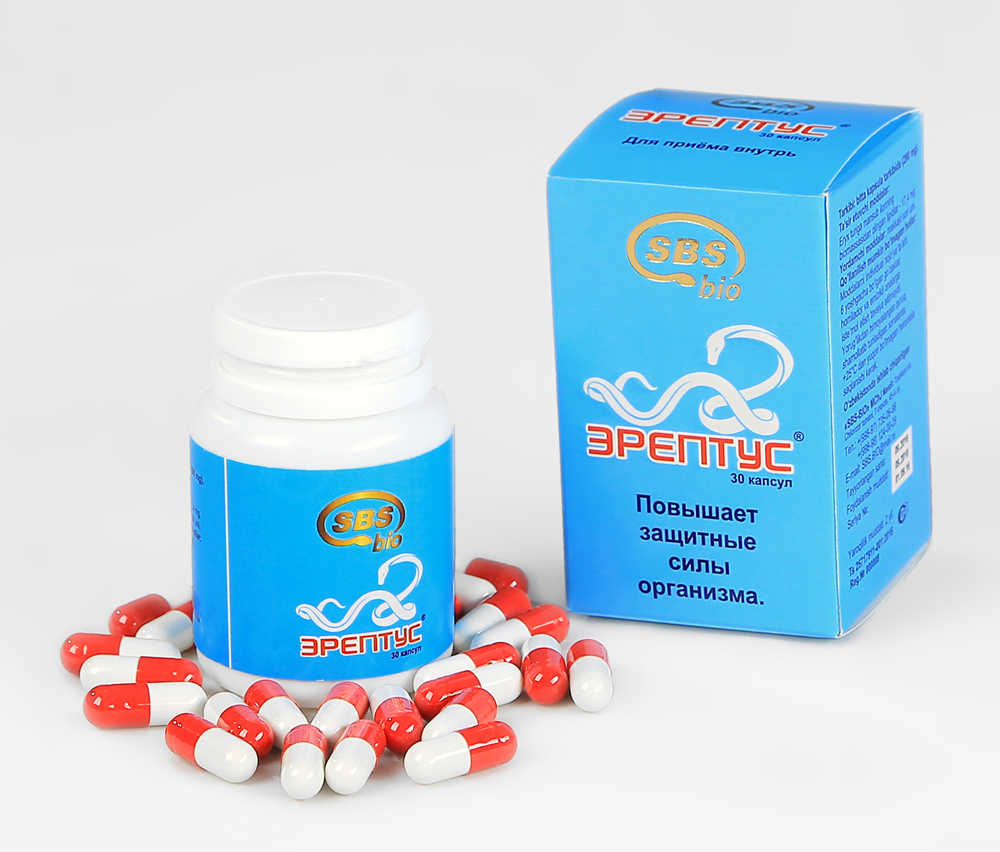
In therapeutic, obstetric, dental and dermatovenerological practice, sports medicine, the domestic drug Ereptus is used as an immunomodulator and biostimulant. Taking into account the pronounced depression of cellular and humoral immunity, as well as interferon status in women with CIPV and CMV infection, it seemed appropriate to us to use it to treat these patients.
Purpose of the study: To develop a set of diagnostic and therapeutic measures aimed at preserving reproductive health and reducing reproductive losses in women with CIPV and latent chronic CMV infection.
Material and methods: Ereptus was prescribed to 65 women with CMV infection and CIPV in the latent chronic stage. The drug was administered intravenously 2 times a day according to the following scheme: 1st day - 0.5 ml (5 mg), 2nd - 0.7 ml (7 mg), from 3rd to 10th - 1.0 ml (10 mg), 12th - 1.5 ml (15 mg), 13th and subsequent days - 2 ml (20 mg). The control group consisted of 20 healthy women aged 20 to 35 years. The average age of women with CIPO is 26.6 years, and the age of 76.6±2.6% of women ranged from 20-35 years, i.e. coincided with the period of active sexual life.
Treatment was monitored based on clinical manifestations and determination of DNA of CMV infection in the blood on days 15-30, 45 and 60 of treatment; Its effectiveness was assessed based on the titer of antibodies to IgG by ELISA. Treatment was carried out until a negative PCR result was obtained.
No allergic reactions or complications were observed during treatment with Ereptus. However, when it was administered, 38.5% (25) of women experienced an unpleasant “swampy” odor from the mouth, and 7% experienced tachycardia, facial redness and a feeling of heat, which disappeared upon completion of the drug administration. One patient experienced a feeling of chills 1 hour after administration of the drug, which disappeared on its own after 30 minutes.
Results and discussion: After treatment, microflora growth in the cervical canal was not detected in 78.5% of women. However, Str. gr. D u 3.1. %, S. epidermidis in 6.2% and E. coli, ureplasma, fungi of the genus Candida in equal quantities in 4.6% of women.
On the 15-30th day of treatment, the content of leukocytes in the blood increases to 5245.0±188.0 without a pronounced change in the number of lymphocytes. In addition, significantly compared with the indicator before treatment (P<0,001) снижается количество цитотоксических лимфоцитов CD8 до 22,9±1,0%. Также увеличивается иммунорегуляторный индекс CD4/CD8 до 1,4±0,08 (Р<0,05). Однако уровень естествен-ных киллеров CD 16 остается высоким (21,1±0,9%), по сравнению с таковым в контрольной группе 16,6±0,9% (Р<0,001). Тем не менее этот показатель достоверно ниже, чем до лечения 23,9±0,4% (Р<0,01).
After treatment, the content of CD72 (23.4±0.8%) and CD95 (27.9±0.9%) remained high compared with similar indicators in the control group (respectively P<0,001 и Р<0,01). Однако уровень CD95 по сравнению с таковым до лечения снижается (Р<0,05),- _
The indicators of humoral immunity also changed significantly. Thus, during treatment, FAN increased to 48.0±1.9%, significantly exceeding the same indicator before treatment (36.5±0.9%; P<0,001).
Under the influence of Ereptus, the amount of IgG increased to 1192.0±39.0 mg%, significantly exceeding that before treatment (P<0,05).
Thus, the multifactorial effect of ereptus on cellular and humoral immunity has been established. This probably explains the clinical effect of the drug. After 15-30 days of treatment, CMV DNA was not detected in 14.0% of women, after 45 - in 51.0%, after 60 - in 100%.
During treatment, pronounced changes in interferon status are also observed. Thus, the amount of alpha (up to 171.3±28.1 units/ml) and gamma (up to 57.2+10.4 units/ml) IFN increased significantly, which significantly exceeded that before treatment (P0.05, respectively).
The results of the study indicate that the use of Ereptus according to the proposed scheme contributes to the complete elimination of CMV from the blood. The antiviral activity of the drug is manifested by increased production of alpha-IFN, which has pronounced antiviral properties, and gamma-IFN. having immunoregulatory and antiproliferative effects.)
The immunoregulatory effect of ereptus is expressed in the restoration or improvement of the parameters of the impaired cellular immunity, effector functions, as well as stimulation of FAN. It is likely that intravenous administration of the drug at an interval of 12 hours in an adequate dose (2 ml) maintains the required level of immunostimulation and induction of the interferon system, which ultimately leads to the elimination of CMV in human blood.
It is noteworthy that treatment with Ereptus for 30 days does not lead to the restoration of all parameters of the immune system and the interferon system. This indicates the need to continue administering the drug. Perhaps an incomplete course of therapy contributes to a rapid recurrence of the process, and when pregnancy occurs, its complications. The complete disappearance of the DNA of CMV infection is determined after 45-60 days of treatment with Ereptus, which is therefore its criterion. duration or repeated courses should serve to ensure the disappearance of clinical manifestations of the disease, normalization of cellular and humoral immunity and interferon status, subject to complete elimination of CMV from the blood. In this regard, the duration of the optimal course of treatment for Ereptus is 45-60 days.
As the analysis of research results shows, positive results of treatment with ereptus according to the proposed regimen were observed in 89.2% of women with CIPV and CMV infection. After 10-14 days of drug administration, the patients' general condition and appetite improved, vitality and performance increased, and sleep normalized. The biostimulating effect of the drug persisted throughout the entire treatment and in 55.6% (36) women for 1-3 months. after him.
Long-term results of treatment were studied in 58 patients who were observed for 2-3 years. Among them, 72.4+5.9% (42) women experienced stable remission for up to 3 years. In 5.2x2.9% (3) of cases, exacerbation of the inflammatory process was noted 1.5 years after treatment, in 1.7±1.7% (1) - after 1 year. In 2 patients the inflammatory process worsened after 6 months. These women have passed. A 15-day course of treatment, but their indicators of cellular immunity and interferon status did not normalize. Despite recommendations to continue treatment, the patients interrupted it.
After the course of treatment, 25.9±5.6% (15) of women became pregnant, which in 20.7±5.3% (12) resulted in normal birth. In 6.9±3.3% (4) cases spontaneous miscarriage occurred.
It should be noted that out of 23 (39.7±6.4%) women who suffered from secondary infertility for 2-3 years, 8 (34.81:9.9%)* were pregnant. Among 58 treated patients, 39.7±6.4% (23) were protected from pregnancy.
Thus, the use of ereptus for the treatment of CMV infection in women with CIHTO improves the condition, increases fertility and has a beneficial effect on the quality of life of women of fertile age. In 96.9% of patients, the introduction of Ereptus gave a positive effect without having a negative effect on the body.
Ereptus has a pronounced clinical effect due to its immunomodulatory and interferon-stimulating properties. The absence of side effects allows us to consider the drug an effective and safe treatment for chronic latent CMV infection.
Conclusions
1. All women of fertile age suffering from CIPO should undergo a thorough gynecological examination and observation. General clinical and laboratory examination for the presence of severity of the inflammatory process, bacteriological examination, ultrasound of the pelvic organs, immunological studies: PCR study for the presence of CMV DNA in the blood and an additional immunogram study (CDs CD4 / CDs).
2. Carry out complex treatment with Ereptus according to a scheme for a period of 30 to 60 days.
Literature
Aksenenko V.A. State of reproductive health and prevention of relapses in patients with inflammatory diseases of the uterine appendages. Author's abstract. dis.... dr. med. Sci. - M.S. 2001.-31 p.
Asatova M.M., Gafarova D.Kh., Eshimbetova G.Z. Miscarriage. A manual for doctors. - Tashkent. 2002. - 56 p.
Ayupova F.M., Kurbanova B.M. Features of changes in some parameters in the blood serum and vaginal lavage in women with impaired reproductive function in some TORCH infections. // Pathology. 2003. No. 1. P. 35-38.
Korsakova I.I., Pashanina T.P., Eluzarov V.V. and others. Basic parameters of immune status in persons with herpetic and cytomegalic infections. // Epidem. and inf. bol. 2004. No. 3. P. 32-34.
Krasnopolsky V.I., Serova O.F., Tumanova V.A. and others. The influence of infection on the reproductive system of women. // Ros Vestn. obstetrics-gin. 2004. No. 5. p. 26-29.
Kulakov V.I., Gurtovoy B.L., Ordzhonikidze N.V., et al. Cytomegalovirus infection in obstetrics. - M.: GEOT AR-Medicine. 2001. - 32 p.
Matveev V.A. Cytomegalovirus infection as a factor of immunosuppression for children of the first year of life. /U, Epidemiol. and inf. bol. 1998. No. 6. P. 34-36.
Ordzhonikidze N.V., Tyutyunnik V.L. Cytomegalovirus infection and pregnancy. // Obstetrics. and gin. 2002. No. 3. P. 59-63.
Parpieva D.A., Mukhitdinova T.K., Asrankulova D.B. and others. Features of pregnancy in women with cytomegalovirus infection and principles of their pathogenetic treatment. // Med. magazine Uzbekistan. 2002. No. 4. , pp..51-52.
Sidelnikova V.M. Habitual pregnancy loss. M., 2002. pp. 156-166.
IL -Tareeva T.G., Malinovskaya V.V., Shuginin I.O. and others. Immunocorrection system for chronic infectious and inflammatory diseases in pregnant women. /7 Ross. Vestn. obstetrics-gin. 2004. No. 5. P. 82-87.
12. Tyutyunnik V.L. The effectiveness of preparing and planning pregnancy in women with infection. // Obstetrics. and gin. 2004. No. 4. P. 33-37.
Medical expert of this article
Касимова Феруза Бахадировна
врач-терапевт · clinic «Saba Darmon»
Appointments and consultations:
+998 71 210-30-30
Call
This information is for reference only. If you have symptoms, see a doctor.
Appointment
Обратитесь к врачу
Информация в статье носит общий характер. Для точного диагноза и плана лечения нужен очный осмотр — позвоните, подберём удобное время.
📞+998 55 055 10 03 Book online →Tashkent Medical Park
Tashkent, Учтепинский district, Chilonzor 12 block, st. М.Шайхзода, 7
Пн 08:30-20:00